Trezor.io/start:
Device Setup &
Security Guide
A considered walkthrough for getting your hardware wallet ready—before you connect, confirm, or protect anything valuable.
Explore the setup guide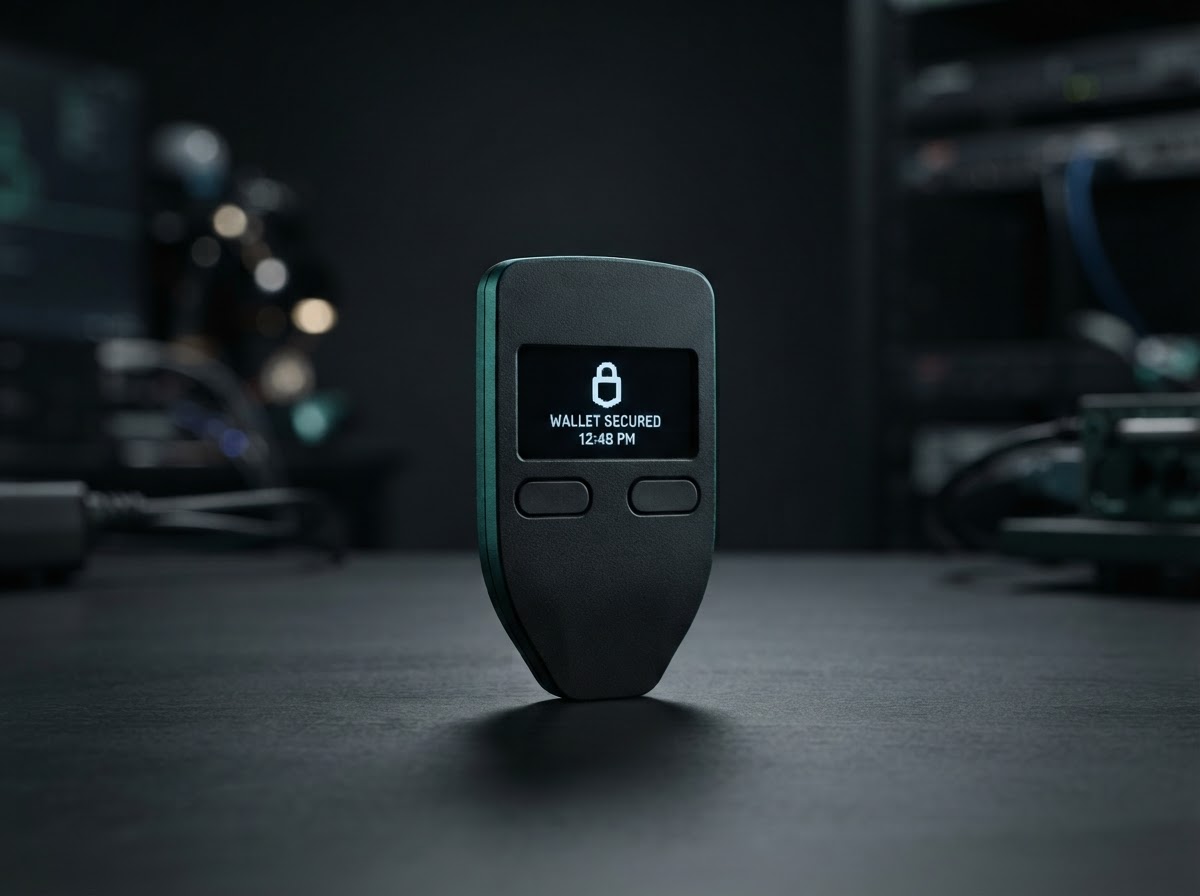
What Trezor.io/start Helps You Understand
Starting a hardware wallet is less about moving quickly and more about knowing what each step is asking you to do. The setup flow introduces your device, guides you through its initial configuration, and helps you understand the recovery information that may be needed if the device is lost or damaged.
This independent guide explains the decisions behind the process: how to approach the setup page, verify the device and software source, create a recovery backup, and recognize requests that deserve a pause. Exact screens and options can differ by model and software version, so use on-device prompts and current instructions from Trezor’s official website when completing setup.
Preparation
Begin with a calm, private workspace and enough uninterrupted time to read each prompt. Check that your computer or phone is up to date, and use a network you trust. Keep your device, cable, and any supplied materials nearby. If the package or device appears altered, unexpectedly opened, or inconsistent with what you ordered, stop and contact the seller through a channel you independently verify.
Open the setup destination by typing the address yourself or using a bookmark you created after checking it. Look closely at the domain before continuing. Search ads, unsolicited messages, and QR codes can lead to convincing imitations. This guide is informational; it is not an official Trezor support channel.
Connection
Connect the device using the cable and instructions intended for your model. Navigate to the official Trezor website directly, then follow its current device-setup guidance. Your browser may ask permission to communicate with a connected device; grant access only when you initiated the session on the site you intended to visit.
Keep the hardware in view as you work. Read its screen rather than assuming a computer prompt tells the whole story. If a message appears that you do not understand, disconnect only as instructed by official documentation and seek help through Trezor’s verified support pages—never through an unsolicited direct message.
Verification
Verification is a habit, not a single green light. Confirm the web address, inspect software download sources, and follow the device’s own checks where offered. If you are asked to confirm an action on the device, read its display carefully and compare the details with what you expect. Decline or pause when the information does not match.
Only install Trezor software from a source reached through the official website. Be cautious of look-alike domains, unexpected browser extensions, and files shared in chat or email. A page that uses a familiar logo is not proof of authenticity. When uncertain, close the page and start again from a known official address.
Device Setup
Follow the on-screen sequence for your model. Setup may involve installing or updating device firmware, choosing a PIN, and initializing a wallet. Read every confirmation on the hardware screen. A PIN helps restrict physical access to the device, but it does not replace a carefully protected recovery backup or good account security.
Use a PIN that is not reused from another account and avoid entering it where someone can observe you. Never approve a prompt you did not initiate. If the device or setup flow asks for information that seems out of place—especially your recovery words on a computer or website—stop immediately and verify the instruction using official documentation.
Recovery Information
Recovery words represent access to the wallet they restore. Record them exactly as directed by your device, in the correct order, and check your work before storing the backup. Keep it private and offline in a place protected from loss, damage, and unauthorized access. Consider the real risks in your environment when choosing storage.
Never photograph or type recovery words into a phone, computer, cloud drive, message, or website. Do not share them with anyone claiming to be support. Legitimate troubleshooting should not require you to disclose your complete recovery phrase. Anyone who obtains it may be able to control the associated wallet; treat it with the same care as the assets it protects.
Small habits. Clear boundaries.
- 01
Keep recovery words off internet-connected devices. Write them down only as your device directs.
- 02
Verify addresses and prompts independently, especially before approving a transaction.
- 03
Ignore unsolicited “urgent” support messages. Navigate to official support yourself.
- 04
Protect your PIN and backup separately; neither should be casually accessible to others.
These are general precautions, not a guarantee against loss. Security depends on your device, software, environment, and actions.
Phishing Awareness
Phishing often borrows familiar branding and creates urgency: an account warning, a promised reward, or a claim that funds are at risk unless you “verify” immediately. Treat links in unexpected emails, texts, social posts, and direct messages as untrusted. Instead, type the official address yourself or use a saved bookmark you have already checked.
Never reveal a recovery phrase to unlock an account, validate a device, or receive support. Be suspicious of remote-access requests, browser pop-ups, and QR codes that redirect you to a sign-in page. If you entered sensitive information on a page you now distrust, stop using that page and consult official security guidance from a separate trusted route.
Common Setup Mistakes
Rushing through prompts can lead to missed details. Other avoidable errors include using a search result without checking the domain, recording recovery words out of order, storing a photo of the backup in cloud storage, reusing a weak PIN, or approving a transaction without reviewing the information shown on the device.
A second frequent mistake is treating a support account on social media as verified because it replied first. Do not send sensitive details to anyone in a message. Return to the official website and locate its support information there. When something feels inconsistent, stopping is safer than guessing.
Security Review
Before considering setup complete, make sure you understand how to access the wallet, where the recovery backup is stored, and which actions require confirmation on the device. Revisit the official instructions for your exact model if any step was unclear. Do not rely on memory alone for a procedure you have not yet completed.
Wallet setup can reduce some online risks, but no device or process can remove every risk. Protect your computer and accounts, keep software sources verified, and review each transaction before approving it. For product-specific or account-specific questions, use official Trezor documentation and support reached through its website.
Final Security Checklist
- 01 I opened the official site by a trusted route.
- 02 My device and prompts match what I expect.
- 03 My recovery words are accurate and offline.
- 04 No person or website has asked me to share them.
- 05 I understand where to find official instructions.
Use this as a personal review, not a security certification. If anything is uncertain, pause and check current official guidance.
Frequently Asked Questions
Is this an official Trezor support page?+
No. This is an independent educational guide and is not affiliated with or operated by Trezor. For exact device instructions, current software, and support, visit Trezor’s official website directly.
Should I enter recovery words on my computer?+
Do not type or disclose recovery words to a website, computer, phone, chat, or support agent. Follow the instructions shown on your device and in current official documentation for your exact model.
What should I do if a setup prompt looks unfamiliar?+
Pause rather than guessing or approving it. Confirm that you are using official software and consult device-specific instructions reached independently through Trezor’s website.
Can a hardware wallet guarantee that my assets are safe?+
No device or setup guide can guarantee safety. A hardware wallet is one part of a broader security practice; careful verification, recovery protection, and safe transaction habits still matter.